Introduction: The Mystery of the “We Buy Houses” Signs
You’ve likely driven past those “We Buy Houses” signs plastered at intersections or on telephone poles. These signs promise a quick sale, but what do they really mean for homeowners? Understanding the implications of these offers is crucial for anyone considering selling their property.
Who Are These Buyers?
The buyers behind these signs are often real estate wholesalers. Their primary goal is to get houses under contract at below-market prices and then sell those contracts to investors. While they advertise themselves as cash buyers, they don’t always intend to purchase the property themselves.
Thinking about selling? Get a real home valuation and pricing plan from Mantle Realty.
For more insights into real estate practices, consider visiting the National Association of Realtors.
The Risks of Selling to Wholesalers
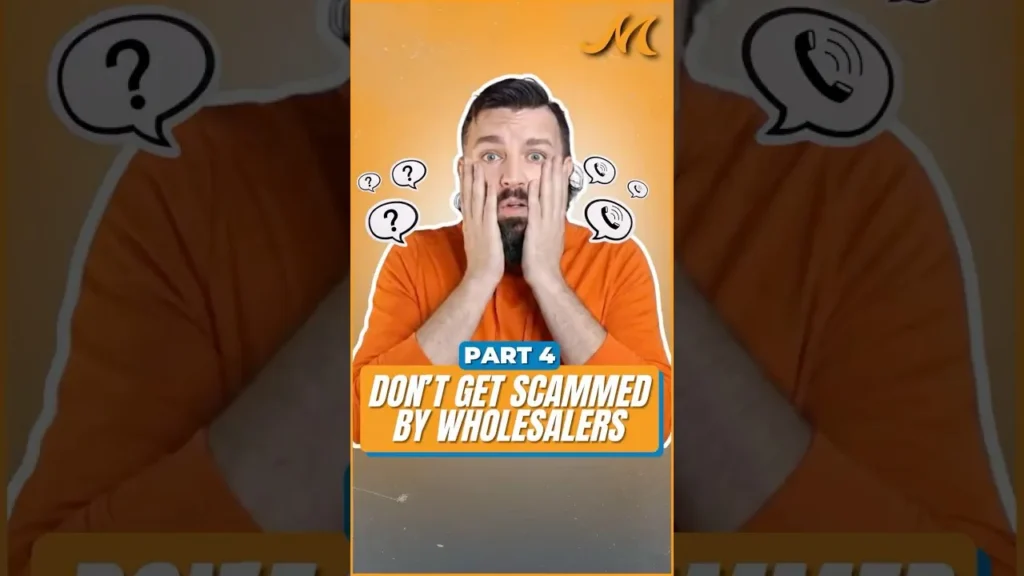
Wholesalers often underpay homeowners, which can lead to significant financial loss. They lock in a lower price and then sell the contract to another buyer at a higher rate, pocketing the difference. This process can leave sellers with far less than their home’s true value.
Recognizing Red Flags
Be wary of offers that seem too good to be true. If a buyer pressures you to make a quick decision or avoids providing clear details about the transaction, these are red flags. Legitimate buyers will offer transparency and ample time to consider the deal.
For more on protecting yourself in real estate transactions, check out the Federal Trade Commission’s guide on real estate scams.
Tips for Homeowners
To ensure a fair deal, research your home’s market value and consider multiple offers. Consulting a local real estate expert can provide valuable insights and help you avoid common pitfalls.
Explore homes for sale in your area, such as High Point or Kernersville, to get an idea of current market trends.
Alternatives to Quick Cash Sales
If you’re considering a quick sale, evaluate other options like traditional listings or working with a real estate agent. These methods might take more time but often yield better financial outcomes and ensure a safer transaction process.
For additional resources, the U.S. Department of Housing and Urban Development offers guidance on selling homes safely.
Conclusion: Selling Smart in Real Estate
In the world of real estate, informed decisions are key. Protect your investments by understanding the full scope of any offer and considering all your options. By doing so, you can avoid potential scams and ensure a profitable sale.
FAQ
- What happens if I sell my house to a wholesaler?
You may receive less than market value, as wholesalers aim to profit by reselling your contract at a higher price. - How can I tell if a cash buyer is legitimate?
Look for transparency, a history of successful transactions, and avoid those who pressure you for quick decisions. - What are the advantages and disadvantages of quick cash sales?
Advantages include speed and convenience. Disadvantages often involve receiving a lower sale price. - Are “We Buy Houses” signs legal?
Yes, but the legitimacy of the buyer varies. Always conduct thorough research before proceeding. - How can I protect my equity when selling my home?
Get multiple valuations, consult with real estate professionals, and consider all your options before selling.
The best fraud protection is local. Work with agents you can meet face to face — meet the Mantle Realty team serving the Triad.