
Greensboro is North Carolina’s third-largest city, but it rarely feels like it. That is the appeal.
You get real-city conveniences — an airport, universities, hospitals, an actual downtown — at a pace
and price that the bigger metros stopped offering years ago. This guide covers where people land,
what daily life feels like, and how to narrow the search before you waste weekends on the wrong areas.
Most people moving to Greensboro are solving the same equation: they want real amenities and real jobs
without paying Charlotte or Raleigh prices for the privilege. Greensboro answers that cleanly.
Commutes across town run minutes, not hours. The airport is close enough to be useful instead of a road trip.
And the housing mix runs from downtown lofts to acre-lot suburbs without leaving the county.
It is also a genuinely rooted place. Four colleges and universities, a park system people actually use,
minor-league baseball downtown, and neighborhoods that have had names and identities for generations.
People do not just pass through Greensboro on the way to something else — which is exactly what you want
in the city you are about to call home.
The move here tends to work best when value, commute sanity, and everyday convenience all matter at once.
The Greensboro search really runs on one question: do you want to be in the city’s established neighborhoods,
or in one of the small towns ringing it? Both keep you 20 minutes from everything — they just feel different when you pull into the driveway.
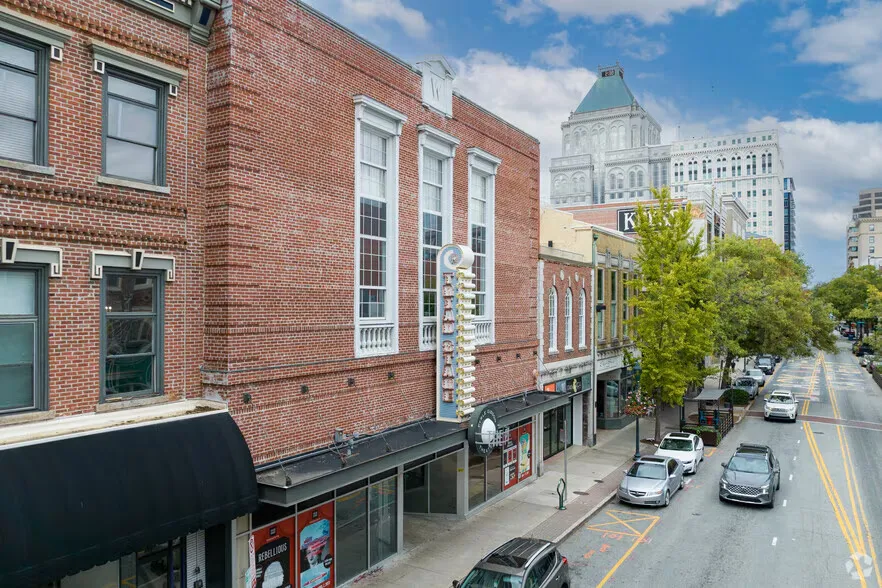
Downtown and its surrounding historic districts, the Friendly Center corridor, established northwest neighborhoods,
and newer builds on the edges. The city itself carries most of the price range on its own.
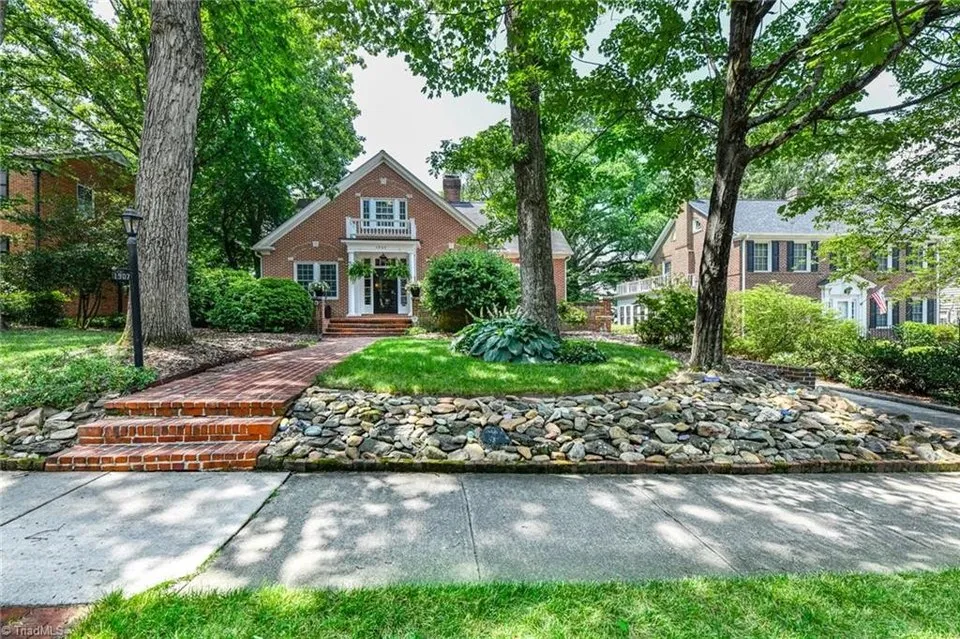
Oak Ridge, Summerfield, and Stokesdale to the northwest pull buyers who want acreage and top-rated schools.
Browns Summit, McLeansville, and Whitsett keep you close on the east side. Pleasant Garden holds the quiet south.
Acreage, newer custom builds, and the county’s most sought-after school zones.
Shorter money, easy I-40/I-85 access, and a straight shot into the city.
Pleasant Garden keeps a small-town rhythm ten minutes from the city line.
Living in Greensboro runs on convenience. Errands, dinner, a ballgame, the airport —
almost everything sits inside a 20-minute radius, and the city’s park and greenway system
fills in the weekends without a road trip.

Downtown’s restaurant and bar scene keeps growing, anchored by the Tanger Center and minor-league baseball a few blocks away.
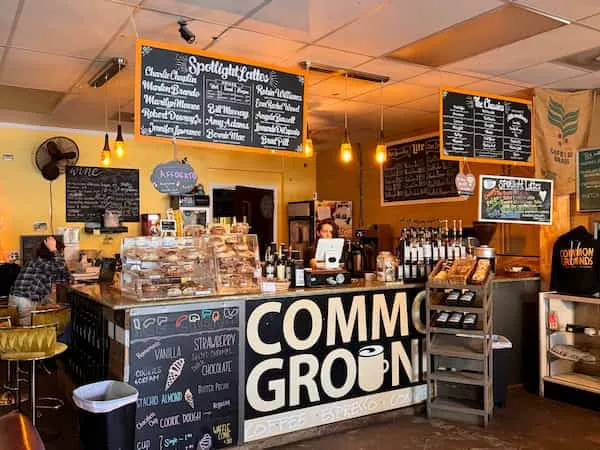
Coffee shops, breweries, and local spots spread across the city instead of packing into one overpriced district.
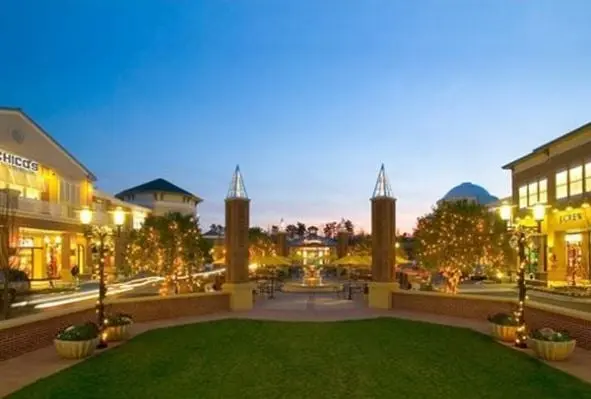
The Friendly Center corridor handles most shopping runs in one stop — one of the reasons daily life here stays simple.
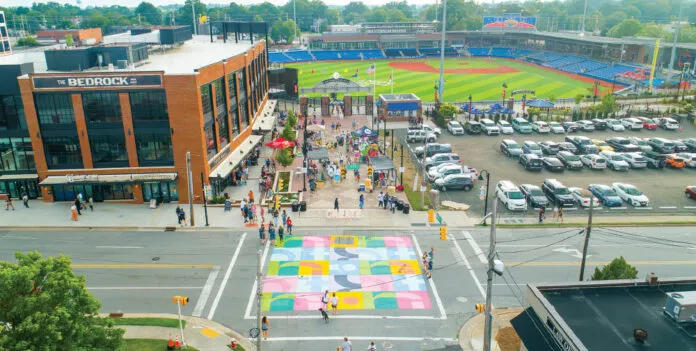
Guilford County’s second city adds another lane of housing, dining, and jobs without leaving the county.
Greensboro’s employment story is spread across aviation, healthcare, universities, and logistics —
which is exactly why the market holds steady instead of riding one industry’s roller coaster.

PTI anchors a growing aviation corridor — including Honda Aircraft’s headquarters — and keeps travel painless for remote and hybrid workers.

UNC Greensboro and NC A&T — the nation’s largest public HBCU — plus Guilford and Bennett colleges give the city a permanent academic backbone.

Boom’s superfactory at PTI is the loudest signal yet that Greensboro’s aviation and advanced-manufacturing lane is still accelerating.
Cone Health’s hospital network is one of the region’s largest employers, and the I-40/I-85 crossroads keeps logistics and distribution hiring steadily.
Guilford County Schools is one of North Carolina’s largest districts, and attendance zones drive
more relocation decisions here than most people admit. If a specific school matters to your move,
start there and work backwards to the neighborhood — our school guides make that easy.
One of the most-searched schools in the county, serving Greensboro’s popular northwest side.
The east side’s anchor high school, minutes from Whitsett and McLeansville.
Zones shift over time — confirm any address with the district, and browse every school page from the county hub.
These are the broader reads that help people get their bearings before going deep on Greensboro listings.
The county-level view — how Greensboro, High Point, and the suburb ring fit together in one relocation picture.
The state-level starting point if you are still comparing regions before narrowing into the Triad.
Useful when the move is certain but you still need the right local guide on the ground before you arrive.
The top-level hub comparing Greensboro, Winston-Salem, and the counties between them.
If you are torn between the Triad’s two big cities, read both guides back to back. They are different moves.
More single-city centered, shaped by healthcare, universities, and a strong arts identity.
Start broader again if you want the top-level comparison before narrowing the move.
The county view on the Winston-Salem side of the Triad.
This page should narrow the direction, not make every decision. When the direction is clearer, these are the better next steps.
Move into the Greensboro city page for the current housing view before jumping into listings.
Use the county page if you want the bigger-picture housing and location view first.
Jump into search, or talk the move through with a local before you get buried in listings.
The practical questions, not the brochure version.
For most people weighing value, commute, and amenities together, yes. Greensboro pairs big-city infrastructure — an airport, universities, hospitals, a real downtown — with below-average living costs and short commutes.
Overall living costs sit below the national average, and housing is the headline: buyers relocating from Charlotte, Raleigh, or out of state usually find their budget buys noticeably more house here.
Inside the city, the established northwest neighborhoods and the Friendly Center corridor draw the most search traffic. Outside it, Oak Ridge, Summerfield, and Stokesdale lead for acreage and schools, while Browns Summit, McLeansville, and Whitsett win on value.
Aviation around PTI (including Honda Aircraft and Boom Supersonic), Cone Health’s hospital network, four universities and colleges, and the logistics economy that follows the I-40/I-85 crossroads.
Guilford County Schools is one of the state’s largest districts, and quality varies by zone — which is why so many moves start with a school search. Confirm any specific address with the district before you commit.
Short, by almost anyone’s standard. The I-840 loop and the interstate crossroads keep most cross-town drives in the 15–25 minute range, and PTI Airport is about fifteen minutes from most of the city.
Greensboro tends to win on airport access, retail convenience, and suburb range. Winston-Salem leans more single-city centered with a strong healthcare, university, and arts identity. Read both guides — they are genuinely different moves.
Yes. Most relocation clients start with a call or video walkthrough of areas before they ever fly in. Mantle can narrow neighborhoods around your commute, budget, and school priorities so your first visit is spent on the right streets.
If the neighborhoods, suburbs, school zones, or just the logistics of an out-of-state move still feel fuzzy,
Mantle Realty can help you cut through it and narrow the search before you spend a weekend touring the wrong areas.