
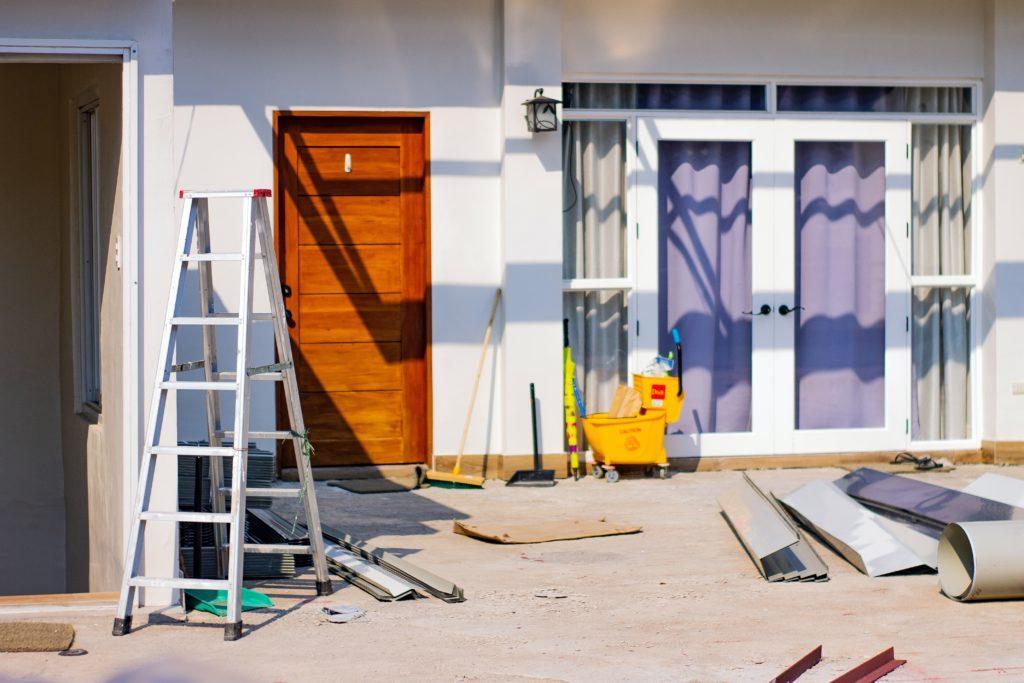
Thinking About Remodeling Your Home? What Homeowners Should Know
At some point, most homeowners start thinking about remodeling their home. What once felt perfect may no longer fit daily life, family needs, or personal style. Whether it’s an outdated kitchen, limited space, or aging systems, remodeling your home can improve comfort, function, and long-term value.
Before starting any remodeling project, it’s important to understand how planning, budgeting, insurance, and home value all connect. Smart preparation helps homeowners avoid costly mistakes and protects their investment.
Why Homeowners Decide to Remodel
Remodeling your home is rarely about fixing one small issue. It’s usually about adapting a space to better support how you live today.
Common reasons homeowners choose to remodel include:
- Outdated kitchens, bathrooms, or finishes
- Growing families needing more space
- Improving energy efficiency
- Addressing maintenance or wear issues
- Preparing a home for future resale
Regardless of the motivation, remodeling should always be approached with a long-term mindset.
Planning Before Remodeling Your Home
Define the Scope of Your Project
Successful remodeling starts with clarity. Decide whether your project is cosmetic, structural, or a full renovation. Remodeling your home without a defined scope often leads to delays, budget overruns, and frustration.
Create a list of priorities and separate must-haves from nice-to-haves. This makes decision-making easier if adjustments are needed later.
Set a Realistic Budget
Budgeting is one of the most critical parts of remodeling your home. Costs can vary widely depending on materials, labor, and the complexity of the project.
Plan for:
- Construction and labor costs
- Materials and finishes
- Permits and inspections
- A contingency fund for unexpected issues
Many experts recommend setting aside 10 to 20 percent of the total budget for surprises uncovered during construction.
Hiring Professionals vs. DIY Remodeling
Some homeowners choose to handle smaller updates themselves, while others rely on licensed contractors. Remodeling your home often involves electrical, plumbing, or structural work, which typically requires professional expertise.
Hiring qualified professionals can:
- Ensure work meets local codes
- Reduce safety risks
- Prevent costly rework
- Improve long-term durability
Always verify licenses, insurance, and references before hiring a contractor.
Insurance Considerations When Remodeling Your Home
One commonly overlooked step when remodeling your home is reviewing your homeowners insurance. Renovations can change the value and risk profile of your property.
Talk to Your Insurance Provider Before You Start
Before construction begins, notify your insurance provider about your remodeling plans. Certain upgrades may require temporary coverage adjustments or endorsements.
The U.S. Department of Housing and Urban Development provides guidance on home improvement planning and protections.
Update Coverage After Remodeling Is Complete
Once renovations are finished, your home may be worth more than before. Failing to update coverage could leave you underinsured.
Energy efficiency upgrades may also qualify for incentives or rebates. Homeowners can explore efficiency guidance through Energy.gov’s Energy Saver program.
How Remodeling Your Home Affects Property Value
Not all remodeling projects provide the same return. Some improvements increase market appeal, while others mainly improve personal enjoyment.
Projects that often support resale value include:
- Kitchen and bathroom updates
- Functional layout improvements
- Energy-efficient windows or systems
- Deferred maintenance repairs
The National Association of Realtors publishes ongoing research on remodeling projects and homeowner return on investment.
If future resale is part of your plan, it’s wise to consult a real estate professional before committing to major design choices.
Local Insight Matters When Planning Renovations
Market expectations vary by location. Remodeling your home in one area may look very different from remodeling in another.
If you are considering updates with resale in mind, local expertise matters. You can explore homeowner and market resources at: Mantle Realty Home Seller Guides.
Frequently Asked Questions About Remodeling Your Home
When is the right time to remodel your home?
The right time to remodel your home depends on your budget, goals, and long-term plans. Homeowners often remodel when spaces no longer meet daily needs or when maintenance issues begin to affect comfort or efficiency.
Should I remodel my home before selling?
In some cases, targeted updates can improve market appeal. However, not every project delivers a strong return. Consulting a local real estate professional helps homeowners prioritize improvements that align with buyer expectations.
Do I need permits when remodeling my home?
Permits are often required for structural, electrical, plumbing, or mechanical changes. Requirements vary by location, so homeowners should check with local authorities before starting work.
Does remodeling affect homeowners insurance?
Yes. Remodeling your home can increase replacement cost and risk exposure. Homeowners should review coverage both before and after renovations to ensure adequate protection.
Final Thoughts on Remodeling Your Home
Remodeling your home is a significant investment of time, money, and energy. When planned carefully, it can improve daily living, increase efficiency, and protect long-term value.
If you are considering renovations and want guidance on how updates may impact value or future resale, connecting with a knowledgeable local real estate professional can help you make informed decisions.
To speak with a local expert, visit: Contact Mantle Realty.