Things You Don’t Realize About Home Inspections
Home inspections are one of the most important parts of any real estate transaction. Whether you are buying a home or selling your home, understanding how the real estate inspection process works can protect your money and prevent unnecessary stress.
Most buyers and sellers think a home inspection is simple. It is not. The details inside a home inspection report often shape inspection negotiations and determine what happens next.
What Is the Real Estate Inspection Process?
The real estate inspection process begins after a buyer goes under contract. A licensed inspector performs a non-invasive evaluation of the property’s visible systems and structure.
During home inspections, inspectors review roofing, plumbing, electrical components, HVAC systems, foundation concerns, drainage patterns, and other functional items. They document findings in a detailed home inspection report.
Inspectors do not “pass” or “fail” a home. Their role is to provide information so buyers can make informed decisions.
Home Inspection Tips for Buyers
If you are buying a home inspection period is your opportunity to uncover hidden issues. Structural movement, moisture intrusion, aging systems, or safety concerns may not be obvious during a showing.
One of the most important home inspection tips for buyers is to attend the inspection. Walking the property with the inspector helps you understand maintenance priorities and future costs.
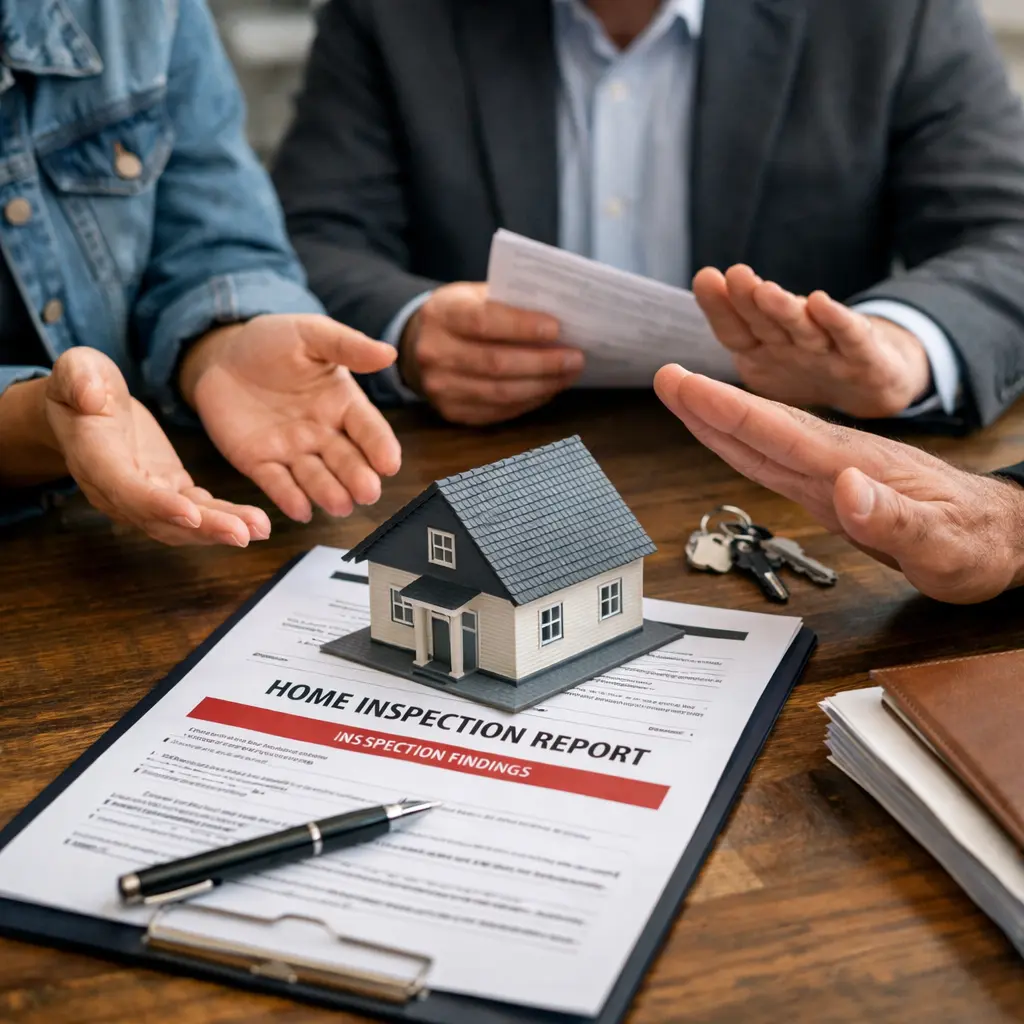
The home inspection report becomes a negotiation tool. Buyers may request repairs, seller concessions, or credits depending on the findings.
Home Inspection Tips for Sellers
Selling your home inspection results can feel personal, but they are not. Nearly every property produces a list of findings.
Sellers who prepare in advance reduce stress during inspection negotiations. If you are preparing to list, review things to do before showing your home to limit obvious red flags before buyers walk through.
If you are considering upgrades before listing, read Thinking About Remodeling Your Home? to determine which projects make sense and which do not add value.
What Happens After a Home Inspection?
What happens after a home inspection depends on the severity of the findings and the flexibility of both parties.
Buyers submit repair requests based on the home inspection report. Sellers respond with agreements, counteroffers, credits, or documentation of prior repairs. This is where inspection negotiations require steady communication.
Once agreements are finalized, the transaction moves toward closing. If you are unsure about timing utilities, review when you should transfer utilities in a real estate transaction to avoid service gaps.
Common Misconceptions About Home Inspections
Home inspections are not code enforcement checks. They focus on visible condition and functionality.
No home is perfect. Even new construction properties produce a home inspection report with notes and recommendations.
A home inspection is not designed to kill a deal. It is designed to reduce risk for both buyers and sellers.
How Home Inspections Impact Appraisals and Financing
Many buyers assume home inspections and appraisals are the same. They are not.
A home inspection report evaluates condition and functionality. An appraisal determines market value for the lender. However, serious issues uncovered during home inspections can influence financing timelines.
If a home inspection reveals structural damage, roofing failure, electrical hazards, or HVAC systems near the end of their life span, lenders may require repairs before closing. This is especially important when buying a home using FHA, VA, or USDA loan programs.
For sellers, understanding how the real estate inspection process connects to appraisal requirements helps avoid delays. Addressing major repair items early can prevent last-minute financing problems that derail contracts.
Strong inspection negotiations keep transactions moving. Clear documentation, licensed repair receipts, and realistic expectations protect both parties and reduce the risk of extended closing timelines.
At the end of the day, home inspections are not just about repairs. They influence financing approval, insurance underwriting, resale value, and long-term property maintenance planning.
Description: Are you ready to dive deep into the world of home inspections? Whether you’re buying or selling, understanding the inspection process is key to a successful real estate transaction. From what inspectors look for to how results affect sales, we cover it all. Don’t get caught off guard—watch now!
Final Thoughts: Be Informed, Not Surprised
The home inspection process doesn’t have to be stressful—it just requires preparation. Whether you’re the buyer or the seller, understanding how inspections work will help you navigate the transaction more smoothly and with greater confidence.
Have questions about inspections, staging, or anything in between? Reach out to our team and let us help you move forward with confidence.