Can You Trust Zillow Home Values? Here’s What Triad Buyers Get Wrong
Zillow is usually the first place buyers and sellers look when checking a home’s value. It’s fast, convenient, and gives you a number instantly. But the real question is this: how accurate are Zillow home values, especially here in Lexington, High Point, Winston-Salem, and the rest of the Triad?
If you’re making real financial decisions—pricing your home, planning a move, or comparing neighborhoods—understanding the accuracy of Zillow home values is essential. Let’s break down the most common misconceptions and what really matters when you’re evaluating a home in North Carolina.
Why Zillow Estimates Feel Trustworthy
Zillow’s Zestimate is built on algorithms that analyze public records, past sales, tax data, square footage, and comparable sales. That sounds scientific, and to an extent, it is. The problem isn’t that Zillow is “wrong”—it’s that automated valuations have limits, especially in markets like the Triad where neighborhoods vary dramatically street by street.
Even Zillow acknowledges their estimates are not appraisals. According to
NAR, automated valuation models (AVMs) should only be used as starting points, not decision-making tools.
The Problems With Relying on Zillow Alone
Zillow Doesn’t See Condition
Zillow can’t tell if a home in Lexington just had a $40,000 kitchen remodel—or if the HVAC is 25 years old. Condition plays a massive role in home value. A beautifully updated house in a subdivision like
Quail Ridge may look identical on paper to a similar property down the street that hasn’t been touched since 1998.
The Zestimate treats them as twins when they’re nothing alike.
Zillow Can’t See Upgrades or Repairs
Did the owner install a new roof? Add a deck? Convert a garage? Replace all the floors? Zillow doesn’t know. Anything not recorded in public data or MLS history gets ignored. That leads to inaccurate Zillow home values—sometimes off by tens of thousands.
Zillow Struggles in Rural and Mixed Markets
In areas like rural Davidson County or outskirts of Kernersville, homes vary widely in age, land size, and style. Automated valuation models perform far worse in these settings compared to dense urban markets with cookie-cutter homes.
Lexington especially has neighborhoods where one street is updated ranch homes and the next street is older mill houses. Zillow cannot account for these nuances.
Neighborhood Differences Matter
The Triad isn’t one market—it’s dozens of micro-markets. Homes near Uptown Lexington do not value the same way as homes near High Rock Lake. Winston-Salem homes in Ardmore behave differently than those in newer suburbs near Clemmons.
Zillow blends these together using comparable sales outside your actual neighborhood, causing inaccurate results.
Market Trends Don’t Tell the Whole Story
Another misconception is believing Zillow automatically reflects the “trend” of the market. Real-time conditions shift quickly—interest rate changes, inventory shortages, neighborhood demand, and local development all impact pricing long before Zillow updates its data.
If you want to explore current inventory yourself, start with pages like
Lexington NC homes for sale or
Winston-Salem homes for sale to get a clearer picture of what’s actually available.
Home Features That Zillow Overrates
Zillow tends to give big weight to surface-level features—granite counters, hardwood floors, general square footage—but misses the deeper factors that real buyers care about. Layout, natural light, land usability, privacy, garage access, and overall condition often matter more than cosmetic upgrades.
An agent walking the property sees what algorithms can’t: smell, noise, traffic flow, updates, and location tradeoffs.
Property History Isn’t Always a Dealbreaker
A home with a past issue—water intrusion, older wiring, settlement—doesn’t automatically lose value if repaired properly. Zillow doesn’t know whether a past problem was fully fixed, partially fixed, or never addressed.
A good local agent helps you evaluate the history on a case-by-case basis so you’re not scared off by old data that no longer applies. You can also check public guidance on disclosures through
HUD.gov.
Neighborhood Hype Can Be Misleading
Just because a neighborhood is trending online doesn’t mean it fits your lifestyle or budget. Zillow’s automated attention to “hot neighborhoods” often creates hype without context. For example, an area may be popular but have higher taxes, longer commutes, or lower inventory.
Evaluate schools, amenities, commute routes, and lifestyle fit—not just online buzz. Exploring active listings in communities like
High Point or
Kernersville gives you a more realistic picture.
Agent Reputation vs. Real Expertise
Online reviews only tell part of the story. Zillow’s agent ratings don’t measure negotiation skill, contract knowledge, or local expertise. Real estate in 2026 requires more than popularity—it requires someone who understands the market deeply.
Talking with a knowledgeable Lexington or Winston-Salem agent gives you clearer insights than any star rating ever could.
The Closing Process Isn’t What Zillow Shows
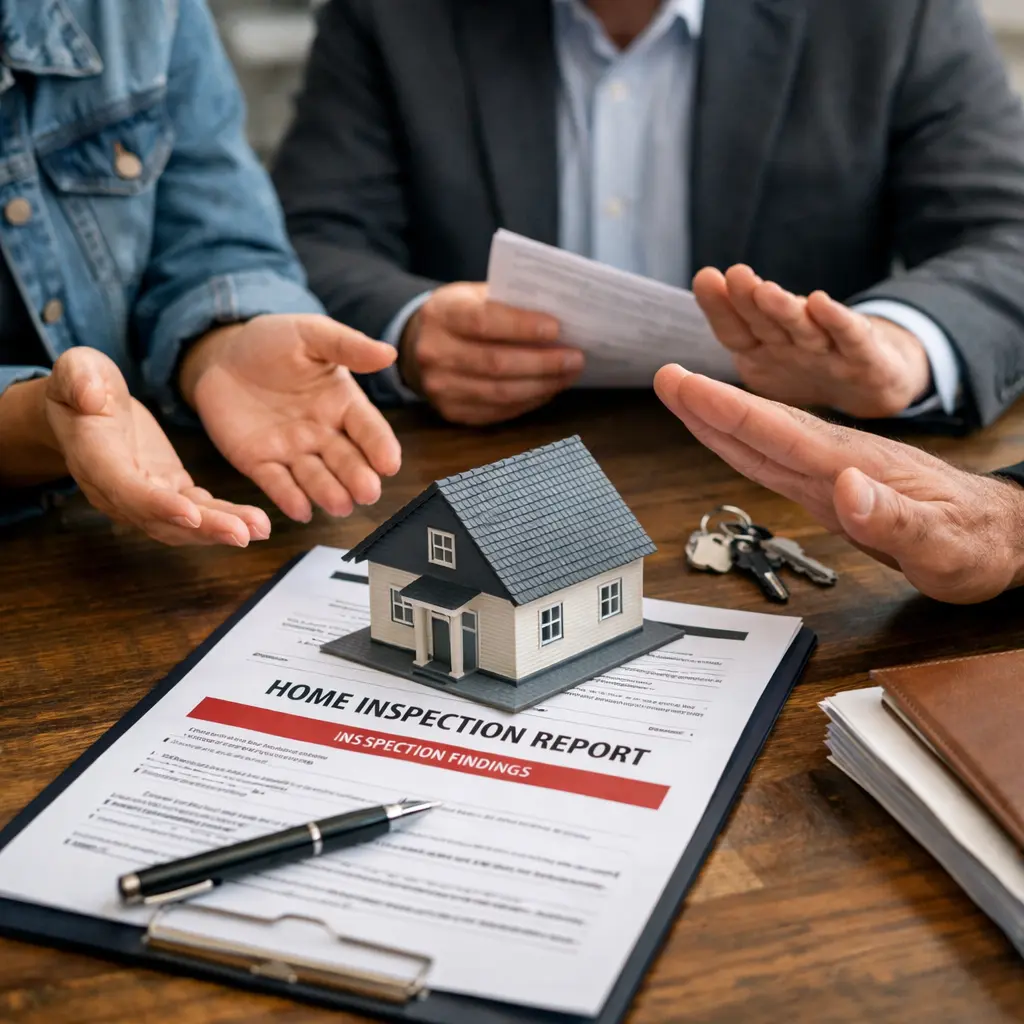
Zillow doesn’t show you the behind-the-scenes steps of inspections, repair negotiations, lender conditions, appraisal requirements, and contract deadlines. These pieces can make or break your deal.
An experienced agent is your guide through these steps, ensuring you avoid costly mistakes and reach closing smoothly.
FAQs About Zillow Home Values
What is the biggest misconception about Zillow home values?
The belief that Zestimates are accurate enough for pricing or offer decisions. They’re starting points—not final numbers.
Do Zillow home values matter when buying a house?
Only a little. They’re useful for general research, but your agent’s comparative market analysis (CMA) is far more accurate.
Should past home issues affect value?
Only if unresolved. Many issues are fixed permanently and shouldn’t scare buyers away.
Are “hot neighborhoods” always the best choice?
No. Choose based on lifestyle, commute, schools, and long-term goals—not hype.
How important is an agent’s reputation?
Helpful, but skill, negotiation experience, and contract knowledge matter more.
So… Can You Trust Zillow Home Values?
Zillow is a great tool for browsing homes, watching trends, and researching neighborhoods. But when it comes to real pricing—either buying or selling—Zillow’s valuation accuracy is limited. The stakes are too high to rely on an algorithm that’s never stepped inside your home.
If you want a real number, grounded in real data, get a personalized valuation from a local expert. Mantle Realty agents know the nuances Zillow can’t see.
Contact Mantle Realty for a free, accurate home value analysis—based on real market conditions, not automated guesses.