Guilford County Property Tax Revaluation 2026: What Homeowners Need to Know
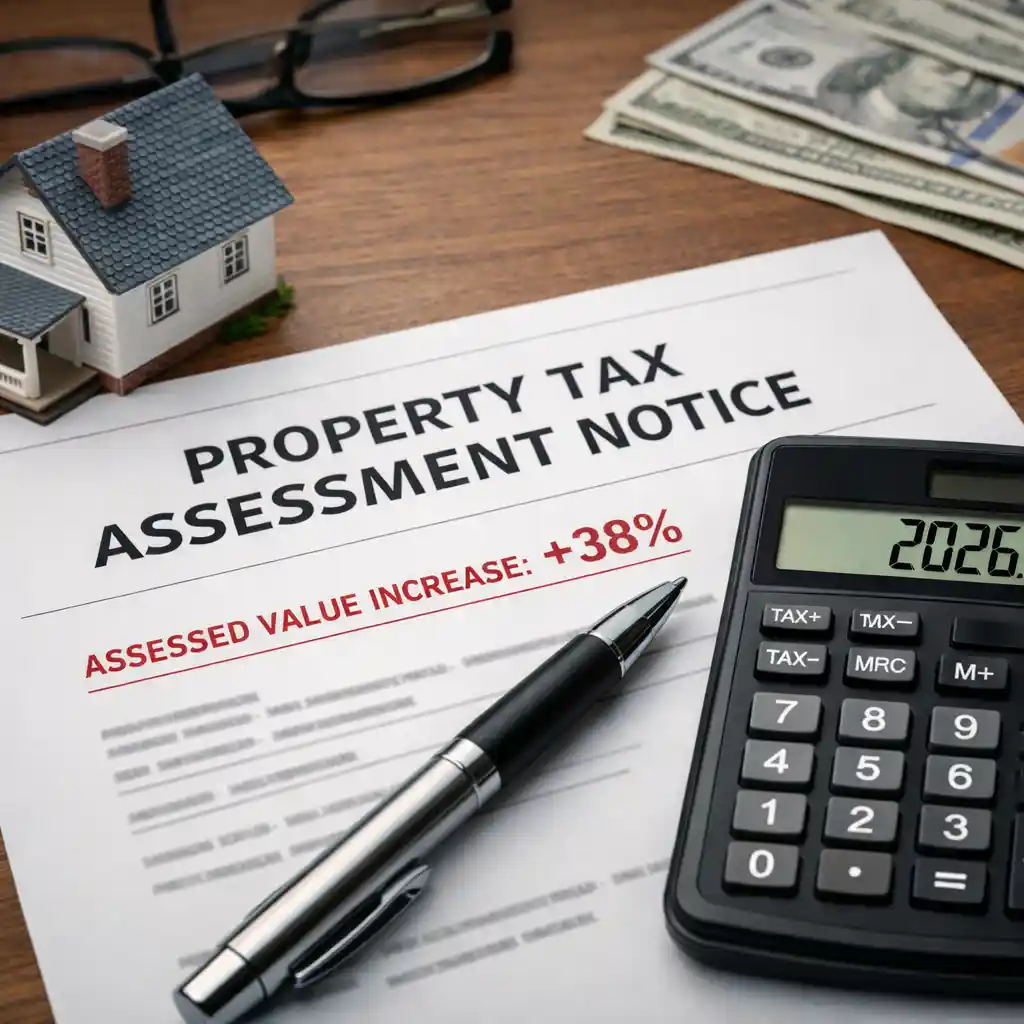
Guilford County’s 2026 tax revaluation is creating serious concern for homeowners. Many residents are opening assessment notices and seeing value increases of 30% to 45%.
The key question is not just how much your assessment increased. The real question is what tax rate the county adopts next.
What Is the Guilford County Tax Revaluation?
A tax revaluation updates property tax assessments to reflect current market conditions. The goal is equity across neighborhoods, price points, and property types.
This is different from your home’s market value. Market value is what a buyer would reasonably pay based on comparable sales and demand. Assessed value is what the county uses to calculate property taxes.
If you live in Greensboro or High Point, you can review local trends here:
Greensboro homes for sale and
High Point homes for sale.
The Revenue-Neutral Tax Rate Explained
After a revaluation, North Carolina law requires Guilford County to calculate a revenue-neutral tax rate. That is the rate that would keep total property tax revenue the same as before reassessment.
If the county adopts a rate above revenue-neutral, it represents a policy decision to increase total property taxes beyond the revaluation.
The Board of Commissioners is expected to set the final tax rate in June 2026 after public input.
Why This Matters for Homeowners
If assessed values rise significantly and the mill rate does not adjust downward, tax bills increase. That affects monthly escrow payments, affordability, and long-term housing stability.
- Higher housing costs for existing homeowners
- Reduced purchasing power for buyers
- Pressure on seniors and fixed-income residents
- Potential impact on resale timing decisions
Unsure What Your Home Is Actually Worth?
One of the biggest frustrations during a tax revaluation is not knowing whether the new assessed value reflects reality. County assessments are based on mass data models. They do not walk through your home.
They do not know if your roof is original, if your HVAC is nearing replacement, or if your neighbor just fully renovated and sold at a premium.
That is where real market data matters.
If you are considering an appeal, we can help you review recent comparable sales in your neighborhood and determine whether your assessment aligns with actual buyer activity. Sometimes the county number is high. Sometimes it is lower than market value.
Either way, having clarity helps you make a smart decision instead of reacting emotionally to a notice in the mail.
If you would like a straightforward market opinion based on current Guilford County sales,
reach out here. We will walk through the numbers with you and give you an honest assessment of where your home stands.
No pressure. No pitch. Just real data so you know what you are dealing with.
Can You Appeal Your Guilford County Property Tax Assessment?
Yes. If your property tax assessment appears higher than what comparable homes are selling for, you can appeal.
The appeal process relies on data. Comparable sales, condition differences, and objective market evidence matter.
You can begin the appeal here:
Guilford County Property Tax Appeal Portal
How Mantle Realty Adds Value
This is where a strong local agent matters.
We can help you evaluate whether your new assessment aligns with actual market value by reviewing recent comparable sales in your neighborhood.
If your assessment is inflated relative to real market data, we can provide comps that support your appeal position.
If your property value increase reflects strong market demand and you are considering selling, this may be an opportunity to leverage equity.
Start by reviewing:
Guilford County real estate and then request a professional valuation here:
Contact Mantle Realty.
Final Takeaway
The Guilford County tax revaluation updates assessed values. The revenue-neutral tax rate determines whether total tax revenue increases.
Review your assessment carefully. Appeal if the data supports it. And if this shift changes your long-term housing strategy, talk with a local expert who understands both the tax structure and the real estate market.