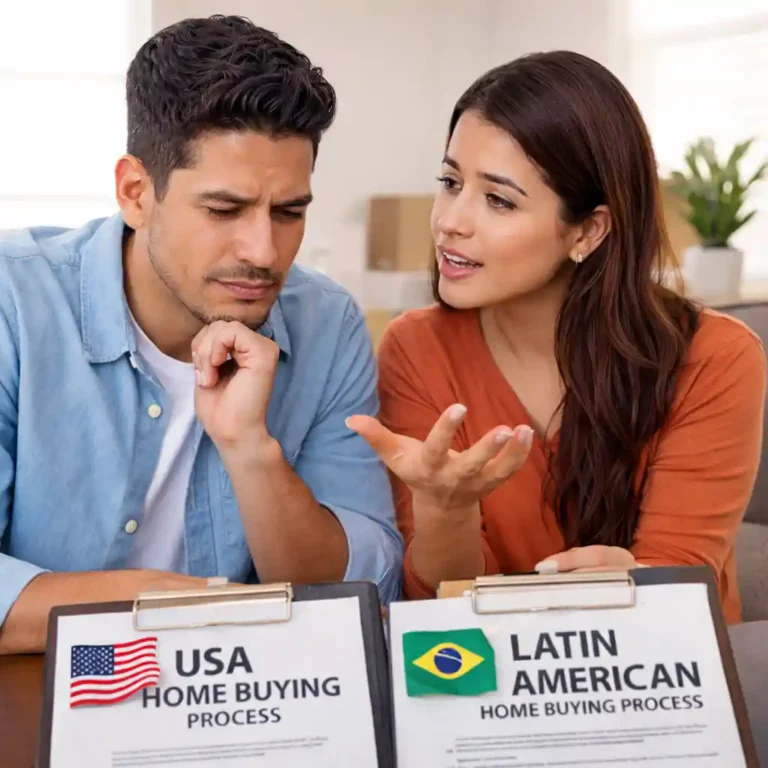

Buying your first home is a big deal.
Exciting. Stressful. Confusing in very specific ways no one warns you about.
The good news?
There’s a clear path forward, and when you follow the right steps in the right order, the process makes a lot more sense.
Here’s how first-time buyers move from “Where do I even start?” to “These are my keys.”
Step One: Reach Out to a Real Estate Agent
Your first move should be talking to a real estate agent.
Not scrolling listings.
Not calling random numbers on yard signs.
A good agent helps you understand the local market, sets realistic expectations, and keeps you from making expensive mistakes early. You want someone who listens, explains things clearly, and doesn’t make you feel rushed.
This relationship matters.
You’ll be working together from day one through closing, so trust and communication are non-negotiable.
Step Two: Talk with a Lender and Get Pre-Approved
Before you fall in love with a house, you need to know what you can actually afford.
Getting pre-approved by a lender gives you:
- A clear budget
- A realistic monthly payment range
- Stronger offers when you’re ready to buy
Shopping lenders is smart.
Rates, fees, and loan options vary more than most buyers expect.
Pre-approval also shows sellers you’re serious, which matters in competitive markets.
Step Three: Make a List of Wants and Needs
This step saves you time and frustration later.
Start with your needs:
- Location
- Budget
- Bedrooms and bathrooms
- Commute considerations
Then list your wants:
- Yard size
- Garage
- Open floor plan
- Updated kitchen
Be honest.
Every home is a compromise. Knowing what you can’t live without helps your agent guide the search more efficiently.
Step Four: Start House Hunting and Give Honest Feedback
Now the fun part begins.
Also the part where reality shows up.
As you tour homes, give clear, honest feedback. What worked? What didn’t? What felt right but wasn’t quite there?
Not every house will be “the one,” and that’s normal. Each showing helps refine your search and narrow in on the right fit.
Your feedback drives better results.
Step Five: Schedule Showings
Online photos don’t tell the whole story.
Seeing homes in person lets you:
- Feel the layout
- Notice natural light
- Get a sense of the neighborhood
- Spot things photos hide
This step turns listings into real options and helps you decide which homes deserve serious consideration.
Step Six: Make an Offer When You Find the Right Home
When a home checks your boxes and feels right, it’s time to act.
Your agent helps you:
- Decide on a competitive offer price
- Understand contingencies
- Navigate negotiations
- Respond to counteroffers
This step isn’t about “winning.”
It’s about making a smart offer that protects you and keeps the deal moving forward.
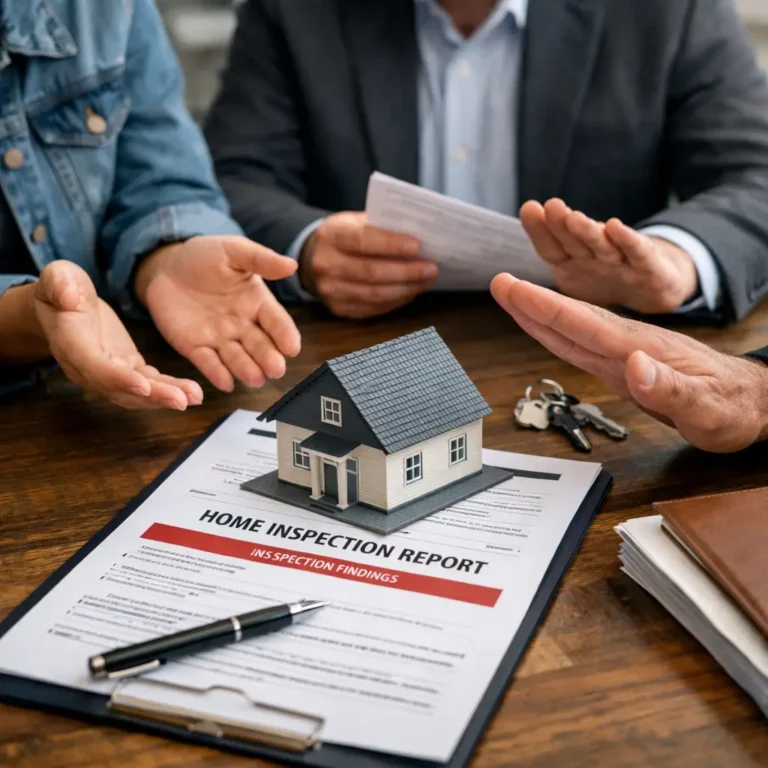
Step Seven: Schedule Inspections and Surveys
Once you’re under contract, due diligence begins.
Inspections help uncover:
- Structural concerns
- Mechanical issues
- Safety problems
Surveys confirm:
- Property boundaries
- Easements
- Encroachments
This step protects you from surprises after closing and gives you leverage if issues are found.
Step Eight: Negotiate Repairs or Allowances
If inspections reveal problems, you have options.
You may negotiate:
- Repairs
- Credits
- Price adjustments
The goal isn’t perfection.
It’s understanding the condition of the home and making sure the deal still makes sense before moving forward.
Your agent helps keep these conversations professional and productive.
Step Nine: Closing Day
Closing day is the finish line.
You’ll:
- Sign final paperwork
- Pay closing costs
- Receive your keys
It’s a lot of documents and a short amount of time, but by this point, most of the heavy lifting is done.
This is the moment you officially become a homeowner.
Final Thoughts for First-Time Buyers
Buying your first home doesn’t have to feel overwhelming.
When you follow the process step by step and work with the right professionals, it becomes manageable and even enjoyable.
Take it one step at a time.
Ask questions.
Lean on experienced guidance.
Your first home is a big milestone.
It’s worth doing right.