
How to become a real estate agent in North Carolina.
The license is more straightforward than most people think. Where you hang it after you pass — that's the part nobody talks about until it's too late.
This is the honest version of the path. The actual NC requirements, what real estate school does and doesn't teach you, what to look for in a brokerage, and what to do after the exam. No fluff, no cheerleading.
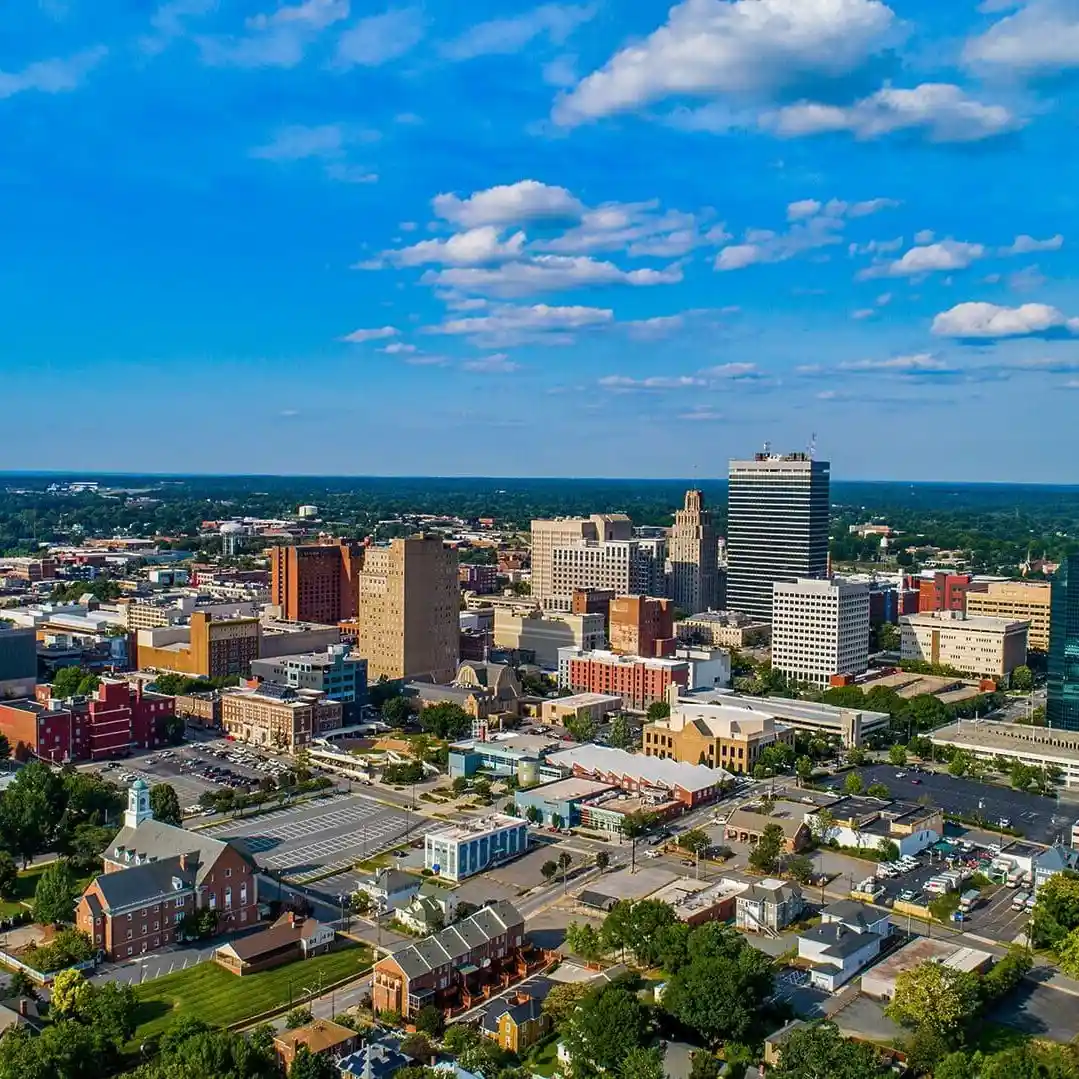
Six steps to your North Carolina real estate license.
The state's process is actually clean and predictable once you know what's coming. Most people get from "thinking about it" to licensed in two to four months.
Meet the basic requirements
Be at least 18 years old. US citizen, non-citizen national, or qualified alien under federal law. You don't have to live in NC to get an NC license — but if you're working the Triad market, being here helps a lot.
Complete the 75-hour pre-licensing course
NC requires a state-approved 75-hour broker pre-licensing course. Covers real estate law, contracts, finance, and the practical side. Most people knock it out in 4–8 weeks online.
Pass the NC state licensing exam
You need at least a 75% to pass. The exam covers national real estate principles plus NC-specific law. Take the course seriously — the exam is manageable if you actually engage with the material.
Submit your license application
After passing, you'll apply through the North Carolina Real Estate Commission. Background check is part of it. Once approved, you'll receive your provisional broker license.
Affiliate with a Broker-in-Charge
Your license has to be held under a supervising broker. You can't practice independently in NC. This is where your brokerage choice matters more than most people realize.
Complete post-licensing education
NC requires post-licensing education within your provisional period. This is what converts you from provisional to full broker status. Plan for it — don't let it sneak up on you.
Pick a school that actually prepares you.
This matters more than people think. A good school sets you up to pass the exam on the first try and understand what you're doing once you're licensed. A bad one leaves you cramming and confused.
We consistently point new agents toward Superior School of Real Estate. They've got one of the highest pass rates in NC, the courses are online so you can work around a job, and the material actually maps to how the exam is written.

Real estate school teaches the license. Not the job.
Passing the exam means you know what's legal. It does not mean you know how to write a competitive offer, run a buyer consult, handle due diligence, follow up with leads, or talk a seller through a price drop without losing the listing.
That's the part the brokerage has to teach. And most of them don't.
"Training" that's just a video library
Most brokerages call it training but mean a login and a stack of recorded webinars. Watch on your own. Ask if you have questions. That's not training.
You're a number, not a person
Big firms recruit hard because agent count drives valuation. Once you're in, support thins out fast.
Joining a team at the bottom
You get the leads nobody else wanted, the worst splits, and no real stake in what you're building.
The discount brokerage trap
Cheap to join often means zero support. Without guidance, most new agents wash out within two years.
Aggressive cold recruiting
If they're cold-calling you to join, culture isn't their priority. Numbers are.
Active training, not passive
Homework, role-play, contract reps, scripts you practice out loud. Not a video library and "ask when you have questions."
Real broker access
When something on a deal goes sideways, you need someone who knows what they're doing on the other end of the phone.
Mentorship that's actually useful
Real guidance on real deals from agents who are actively producing — not somebody who stopped selling a decade ago.
Marketing tools that work
Professional photography, video studio, in-house design, CRM that's already running. Your listings shouldn't look like a starter pack.
A culture you actually want to be in
You spend a lot of time at your brokerage. If you don't like the people, every hard day gets harder.
11 years. Independent. Built for agents who actually want to produce.
Mantle Realty was founded in 2014 with a specific philosophy: culture matters more than headcount. We're not chasing growth metrics or stacking licenses on the wall. We find people who fit — and then actually help them build something.
We've taken brand-new agents from licensed to producing. We've brought in experienced agents who were stuck in the corporate brokerage rat race somewhere else and needed a different environment to operate in.
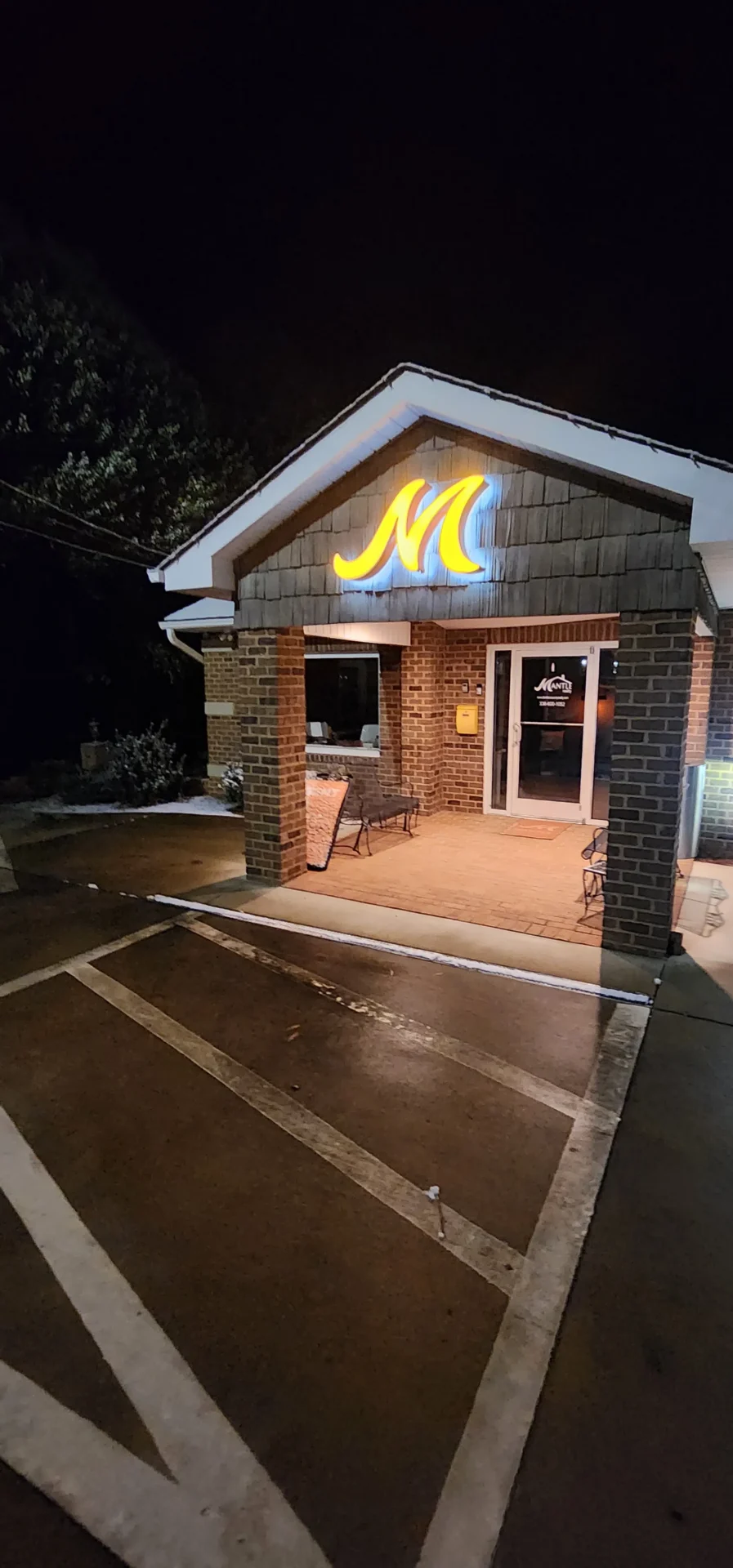
Three offices across the Triad. Top producing independent firm in the area. We know this market because we live in it.
We don't practice on clients.
Pro athletes practice far more than they compete. A lot of agents only learn the play when a buyer or seller is already across the table. That's backwards.
Mantle's training is active. Boot Camp (15 modules and growing). Weekly Tuesday Training. Homework, role-play, contract reps, scripts you practice out loud. New agents get the full version. Experienced agents get the modules that match the gap — we don't make a 10-year vet sit through new-agent material.
Reps before the live deal. Always.
Questions people ask before getting licensed in NC.
Real answers. No runaround.
How long does it take to get a real estate license in NC?
Two to four months from start to finish for most people. The 75-hour pre-licensing course usually takes 4–8 weeks depending on your pace. Then exam prep, scheduling, and the application process add another few weeks.
How much does it cost to get your NC real estate license?
Budget around $800–$1,200 total. Pre-licensing tuition runs roughly $400–$600 depending on the school. Exam fees are around $64. License application around $100. Plus your initial association and MLS dues once you're licensed and affiliated.
There are no fees to join Mantle.
Do I need to live in North Carolina to get an NC license?
No. NC doesn't require residency. You need to pass the state exam and meet the other requirements. That said, working the Triad market remotely is rough — real estate here runs on relationships and local knowledge.
Can I keep my current job while getting licensed?
Yes. Most people do. The pre-licensing course is online and self-paced enough to work around full-time work. Whether you keep the other job after getting licensed is a separate conversation — real estate takes time to ramp and most agents don't replace their income immediately.
What's the difference between an independent brokerage and a national franchise?
Both have access to the same tech — CRMs, e-sign tools, transaction management. The difference is leadership access, mentorship quality, and how invested they are in this specific market. At a national, you're a number on a leaderboard. At a real independent, you're a person with a name.
Doesn't mean every independent is good. Plenty are worse than the franchises. But the ceiling is higher when the brokerage actually cares.
Why hasn't Mantle reached out to me the way other firms have?
Because that's not how we operate. We don't cold-call agents or run mass recruiting campaigns. We don't slide into your DMs. If you're reading this, you found us — and that's actually the right way around.
Are there any fees to join Mantle?
No startup fees, no onboarding charges, no desk fees. You'll have the standard costs every NC agent has — MLS dues, association fees, E&O — but those are industry-wide, not Mantle-specific.
What does Mantle look for in new agents?
Coachable. Communicates clearly. Wants to actually train and build a business — not just hang a license somewhere. We'd rather have someone genuinely motivated than someone with a big book of business who's going to be difficult.
Mantle isn't for every agent. That's intentional.
What if I'm already licensed somewhere else and want to make a move?
We talk to experienced agents too. Transferring your license in NC is straightforward. The bigger question is whether Mantle is actually the right fit for where you want to take your career — start with the experienced agent page for that conversation.
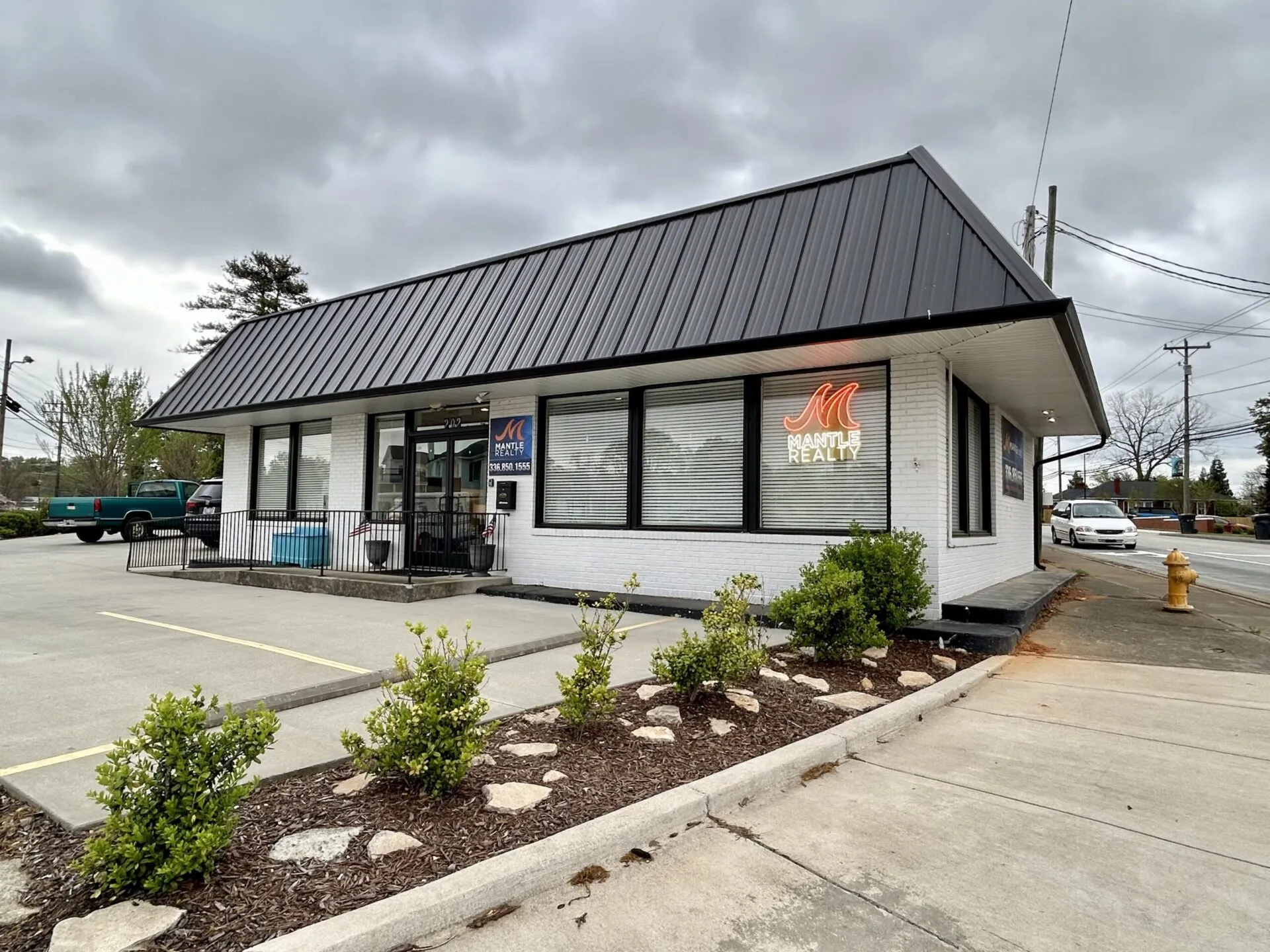
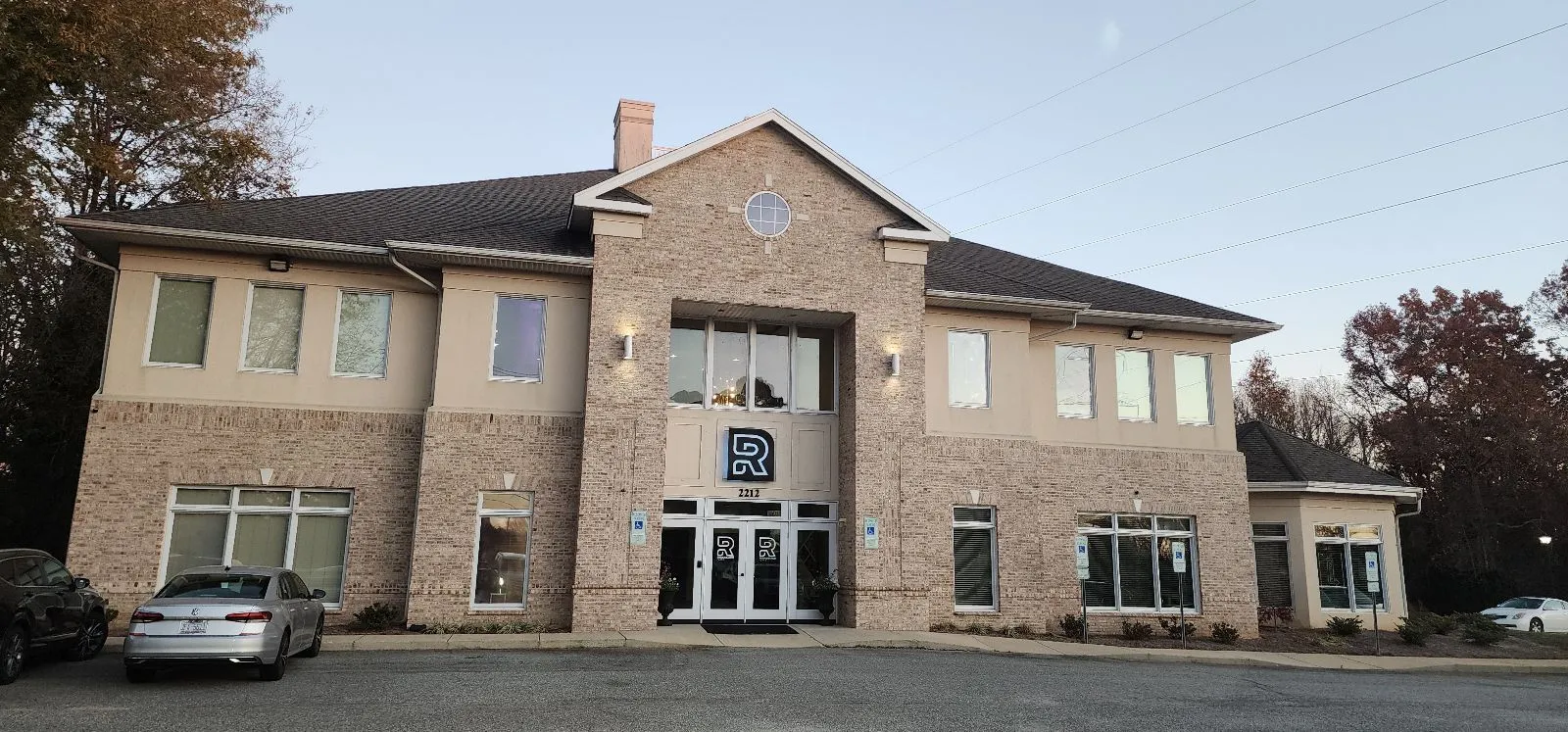
Three offices across the Triad.
Kernersville, High Point, and Lexington. Strategically placed in the markets we actually know — not spread thin chasing geography.
Tell us where you are in the process.
Whether you're about to start the pre-licensing course, currently studying, or just trying to figure out if real estate is the right move at all — this is the right place to start.
No pitch. No pressure. Just a real conversation about whether Mantle makes sense for you. If it doesn't, we'll tell you straight what to look for somewhere else.